Műszaki Vizsga Guide: Navigating Hungary's Essential Vehicle Inspection
For every vehicle owner in Hungary, the Műszaki Vizsga, or technical inspection, is a mandatory and recurring event. More than just a bureaucratic requirement, it's a critical safety measure designed to ensure that only roadworthy and environmentally sound vehicles participate in public traffic. Understanding its process, preparation, and validity periods is key to seamless ownership and maintaining peace of mind behind the wheel. In this comprehensive guide, we'll demystify the Műszaki Vizsga, covering everything from what inspectors look for to the latest pricing structures, ensuring you're fully prepared for your next inspection.
Why the Műszaki Vizsga is Non-Negotiable: Safety and Compliance
Operating a vehicle on Hungarian roads comes with a legal obligation to meet stringent safety and environmental standards. The Műszaki Vizsga serves as official proof that your car adheres to these regulations. According to current legislation, any vehicle in public traffic must possess a valid technical and environmental inspection certificate, alongside mandatory third-party liability insurance. The primary goal is simple: to keep dangerous, faulty, or excessively polluting vehicles off the road, protecting not only the driver and passengers but all road users and the environment.
Beyond legal compliance, a regular inspection offers numerous benefits. It acts as an early warning system for potential mechanical issues, preventing minor problems from escalating into costly repairs or, worse, dangerous failures. It encourages proactive maintenance, contributing to the longevity and reliability of your vehicle.
Decoding the Műszaki Vizsga Process: From Pre-Check to Certification
The journey through a Műszaki Vizsga is designed to be thorough yet efficient, especially if you choose a reputable inspection station that offers a preliminary assessment. Here’s a typical breakdown of the process:
- Booking an Appointment: To avoid unnecessary waiting times, it's highly recommended to schedule an appointment. This ensures a swift and organized inspection experience.
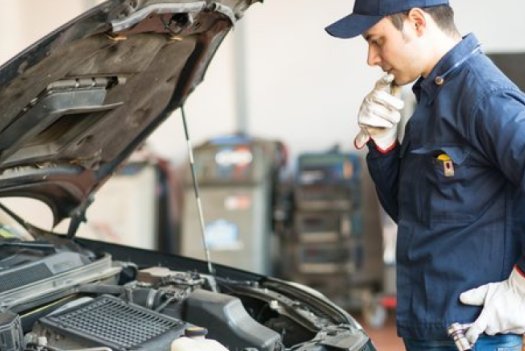
- Preliminary Inspection (Pre-Check): A crucial first step offered by many quality inspection centers. Before the official examination begins, trained technicians conduct a preliminary check against the exact Műszaki Vizsga requirements. This pre-inspection identifies any immediate issues that could lead to a failed test.
- Repair Options (If Needed): If the pre-inspection uncovers problems, many stations offer immediate repair services based on a customized quote. This is a significant advantage, as it allows you to rectify faults on the spot, preventing a failed inspection and the need for a re-test.
- The Official Műszaki Vizsga: Once your vehicle passes the pre-check (or any necessary repairs are completed), the official inspection takes place. This comprehensive examination, typically completed within an hour if no issues arise, covers both the environmental and technical aspects of your vehicle.
- Certification: Upon successful completion, your vehicle's technical validity is updated in the central registry, and your registration certificate (forgalmi engedély) is stamped or updated to reflect the new expiry date.
Choosing an inspection station that combines both pre-inspection and repair services with the official test streamlines the entire process, making it as convenient as possible for vehicle owners.
Navigating Műszaki Vizsga Costs: What to Expect in 2025
Understanding the financial aspect of the Műszaki Vizsga is a priority for every vehicle owner, and the specific Műszaki Vizsga Árak are subject to official regulations. The fees for technical inspections are updated periodically, with the latest rates coming into effect from February 1, 2025. These prices are carefully set to encourage timely and regular vehicle maintenance, helping owners address potential issues before they become major breakdowns.
Here’s a breakdown of the current standard fees, which notably include the cost of the essential preliminary inspection:
- Passenger Cars (M1): 37,990 HUF
- 4x4 Passenger Cars (M1G): 46,990 HUF
- Trailers (up to 750kg, O1): 24,990 HUF
- Motorcycles (L3E): 22,990 HUF
- Commercial Vehicles (up to 3500kg, N1): 39,990 HUF
- 4x4 Commercial Vehicles (up to 3500kg, N1G): 47,990 HUF
Please note that these Autó Műszaki Vizsga Ára figures are inclusive of VAT and are valid from February 1, 2025.
Payment options typically include both cash and bank card, offering flexibility. While these costs represent an investment, consider them a small price to pay for certified roadworthiness, avoiding potential fines for an expired inspection, and most importantly, ensuring the safety of your vehicle and its occupants.
Műszaki Vizsga Validity & Key Inspection Points
Knowing how long your Műszaki Vizsga remains valid and what exactly inspectors scrutinize are fundamental aspects of vehicle ownership. The validity period varies depending on the vehicle's age and type, and the inspection itself is incredibly thorough.
Validity Periods
Generally, the validity periods are as follows:
- New Passenger Cars: The first Műszaki Vizsga is valid for four years from the date of first registration.
- Used Passenger Cars: Subsequent inspections are typically valid for two years.
- Exceptions: Certain vehicle types have different validity periods. For example, taxis usually require an annual inspection, while classic cars (oldtimers) may only need an inspection every five years. Significant vehicle modifications, such as chassis alterations or engine swaps, might also necessitate a new inspection, even if your current one is still valid.
The definitive source for your vehicle's current technical validity is always your registration certificate (forgalmi enged��ly). Always check this document to confirm your expiry date and plan your inspection accordingly.
What Inspectors Check: A Comprehensive Overview
The Műszaki Vizsga is a dual-pronged examination, focusing on both environmental impact and technical integrity. For a deeper dive into the specifics, refer to our related article: Műszaki Vizsga: How Long It's Valid & What Inspectors Check.
Here’s a summary of the critical areas:
- Environmental Review: This segment primarily assesses your vehicle's emissions. Exhaust gas analysis checks for pollutant levels, ensuring your car meets the current environmental standards.
- Technical Condition Assessment: This is a comprehensive evaluation of your vehicle’s mechanical and structural components, including:
- Brakes: Efficiency, balance, and condition of brake discs, pads, and lines.
- Suspension and Shock Absorbers: Ensuring proper functioning for stability, comfort, and safe handling.
- Steering System: Checking for excessive play, damage, and responsiveness.
- Exhaust System: Integrity, leaks, and secure mounting.
- Windshield: Damage, cracks, and clarity that could obstruct the driver's view.
- Bodywork: Examination for significant corrosion, structural damage, and sharp edges that could pose a hazard.
- Seats and Seatbelts: Condition, security, and functionality.
- Lighting, Signaling, and Sound Devices: Correct operation of headlights, taillights, indicators, brake lights, hazard lights, horn, etc.
- Tires and Rims: Tread depth, condition, correct size, and proper inflation.
- Mandatory Accessories: Verification of essential safety items like the first-aid kit, warning triangle, and reflective vest.
Every aspect is meticulously checked to guarantee your vehicle's operational safety and environmental compliance.
Preparing Your Vehicle for a Smooth Műszaki Vizsga
Proactive preparation is key to a hassle-free Műszaki Vizsga. A little attention beforehand can save you time, money, and the inconvenience of a failed inspection.
Essential Pre-Inspection Checklist:
- Documentation: Ensure your forgalmi engedély (registration certificate) is readily available.
- Lights & Signals: Check all exterior lights (headlights, high beams, turn signals, brake lights, reverse lights, license plate light) are working and properly aligned. Don't forget fog lights if your car has them.
- Tires: Verify tread depth (minimum 1.6mm, but more is better for safety), correct pressure, and look for any bulges, cracks, or excessive wear. Ensure all tires are the correct size and type for your vehicle.
- Brakes: While you can't assess effectiveness without professional equipment, listen for unusual noises and check your brake fluid level.
- Windshield & Wipers: Ensure the windshield is free of significant cracks or chips in the driver's line of sight. Wipers should clear the glass effectively. Check washer fluid levels.
- Fluid Levels: Top up engine oil, coolant, and brake fluid.
- Horn: Test it for functionality.
- Seatbelts: Confirm all seatbelts retract properly and are free from fraying or damage.
- Mandatory Safety Kit: Make sure your first-aid kit is complete and unexpired, you have a warning triangle, and a reflective safety vest.
- Bodywork & Undercarriage: Visually inspect for obvious signs of severe corrosion, sharp edges, or loose components.
If you're unsure about any aspect of your vehicle's condition, consider having your trusted mechanic perform a pre-check a few weeks before your Műszaki Vizsga appointment. This allows ample time for any necessary repairs, ensuring your vehicle sails through the official inspection without a hitch.
Conclusion
The Műszaki Vizsga is an integral part of vehicle ownership in Hungary, serving as a cornerstone for road safety and environmental protection. By understanding the process, being aware of the costs (including the latest Autó Műszaki Vizsga Ára), knowing the validity periods, and diligently preparing your vehicle, you can navigate this essential requirement with confidence. Regular maintenance, coupled with timely inspections, not only ensures legal compliance but also contributes to a safer, more reliable driving experience for everyone on Hungary's roads.